Causes of red skin

There are many reasons why your skin around the stoma can get red and sore. Some of them include irritation from stool, sensitivity/allergy to products you use like cleanser or moisturizer, yeast infection (Candidiasis). Below is a discussion of each one’s characteristics!

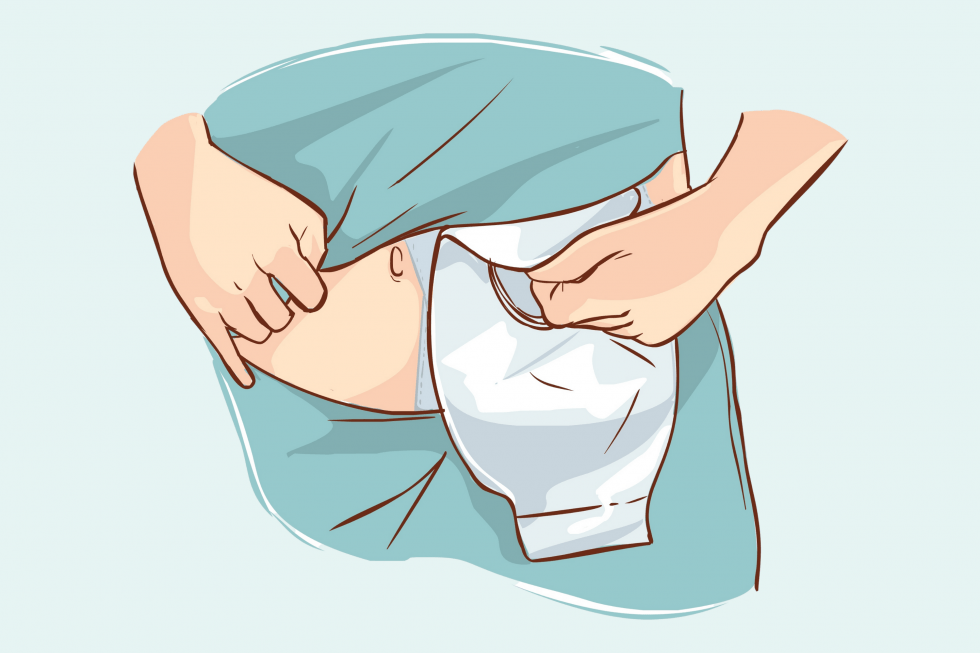
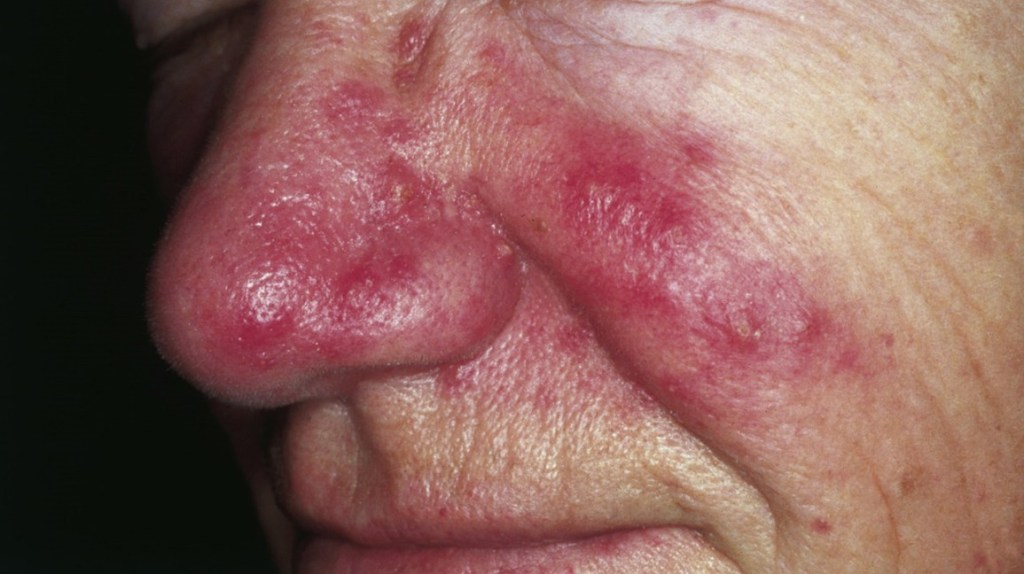
The most common cause of redness to the skin surrounding an ileostomy is stool coming into direct contact with it. The Corrosive effect from this type of digestive system can lead to pain and permanent damage if left untreated for too long or repeated exposure. You may notice small amounts of blood when the irritation has been present for a prolonged period because bacteria start eating away at damaged cells, which release chemicals similar enough that they’ll feel like pricking your finger on anything metal-like (i.e., sink drain).

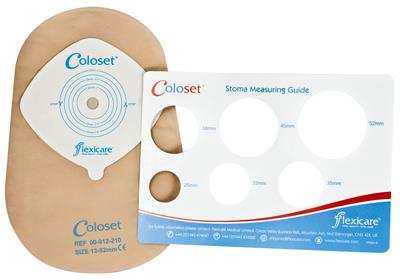
Ostomates often experience skin irritation from the stool, but it is possible to reduce this by using an appliance with a smaller opening. Suppose you have just one small hole in your ostomy for stoma accessories like buttons or strings of tapes. In that case, that will work fine and provide adequate protection against odors caused by bacteria on hands when handling waste products afterward.

The most common issue reported about Ostomy appliances is openings larger than expected which expose more peristomal skin preventing proper barrier function alongside paste use where too much material may enter through these holes, especially if there isn’t enough space between fingers.
Contact lenses can be uncomfortable and cause skin irritation. In the wrong size, shape, or position, they may also allow stool to leak under your appliance, causing contact with sensitive areas of your body, such as around the stoma site where there are folds in clothing that touch it. You could require a different type of retainer (e.g., maybe switching from flat flange rimmed with silicone gel rings onto a convex-shaped plastic frame). However, this will not always solve all problems associated with wearing them! It is essential when deciding on substitutes, remember they have limited capacity compared to soaps/washes; anything else put back into your diet must meet specific criteria.

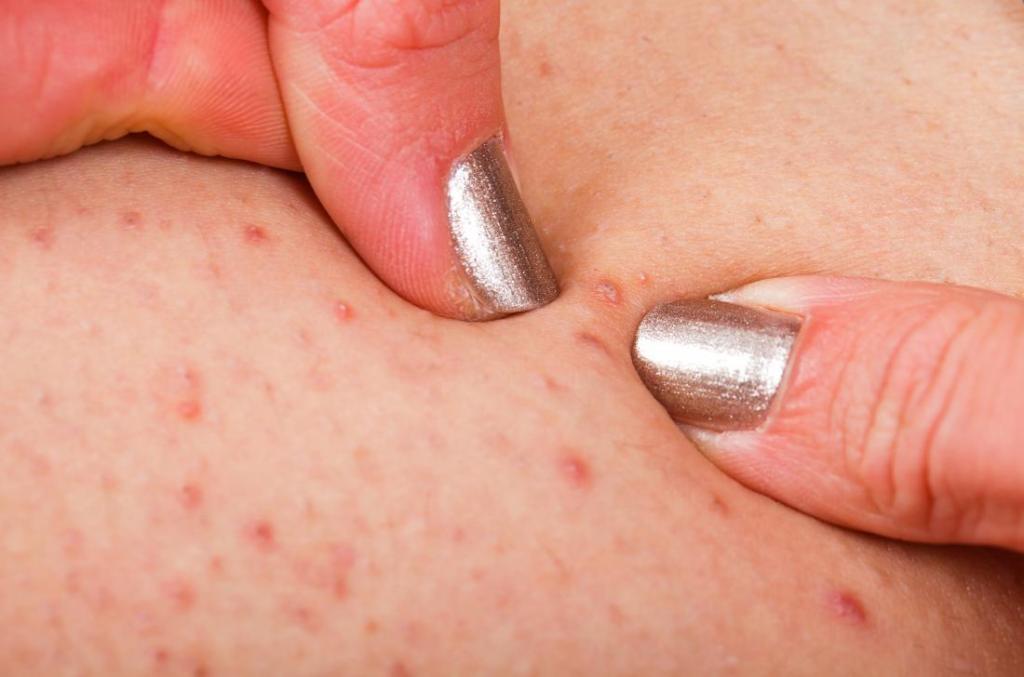
The redness you are experiencing could be due to a range of factors, including an ingredient sensitivity or actual allergy. The borders on reactions often mimic what product has caused it; for example, if there is irritation near where tape touches the skin, this would only manifest under the barrier layer (tape). For more information about ostomy care, click here! The redness and itchiness of the skin may be due to a yeast infection. A rash will have bright red borders or edges, with irregularly-spaced pink dots all over them (satellite lesions). These are areas where new growth has appeared because of an increase in Yeast population near moist places like under ostomy appliances worn after taking antibiotics. Arglaes® is a silver-based powder that can be applied to the skin and stay on for two weeks. Suppose you don’t “seal” your Arglaes®. In that case, it will not stick properly, so make sure when using this product that there are no wrinkles or creases where the fungus may accumulate because they won’t get affected by any cream-based anti-fungal preparations either! Some people are more susceptible to yeast infections around the area where they have an ostomy. This is because clothes can’t fully cover it like other parts of their body, making these areas easier targets for fungus growths, and creams often don’t work as well here since there’s no skin barrier present. Meanwhile, if you notice redness elsewhere (such as under breasts), then consider switching products or using one with anti-fungal properties—though neither course will completely get rid of all signs unless treated professionally!
Redness around the stoma is typically caused by stool irritation, product sensitivity, and yeast. However, other reasons can account for redness. You should consult with an ET so they can adequately evaluate any symptoms you are experiencing!
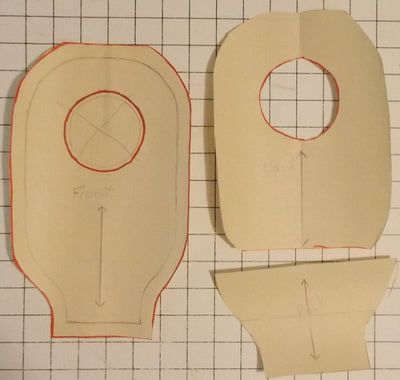
Easy Tips on how to Conceal Your Ostomy Pouch

After getting your ostomy pouch fixed, you might be worried if it will affect your day-to-day life. Well, in most cases, it will if you do not know how to live with it. The pouch has not been fixed to curtail your movements but rather to enhance them.

So how do you live with it? How can you hide it and prevent it from being conspicuous and attract rather queer questions?

Here are the 1, 2, and 3 of concealing your ostomy bag. 

1. Type of Pouch 

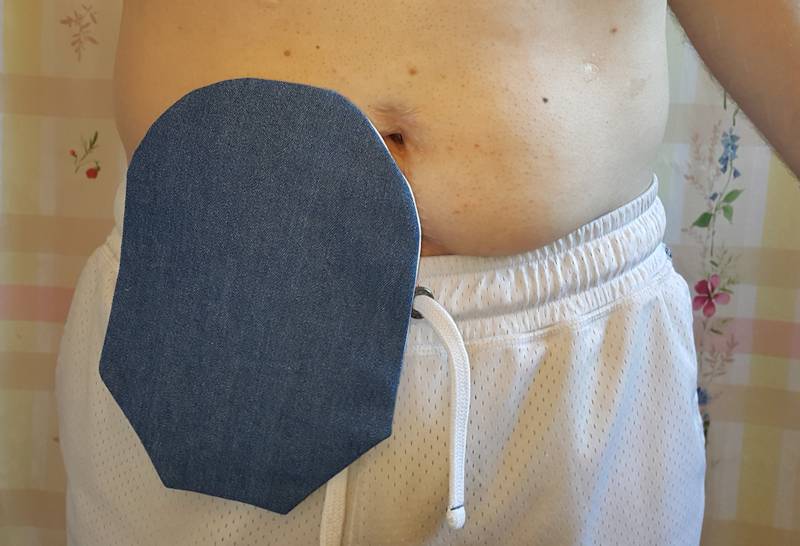
The first step is to know your kind of bag and then see how you can adapt to it. First and foremost, ostomy bags vary, and therefore some may be more visible no matter how hard you try concealing them. Some pouches, such as 2-piece, extend and stick more from the attachment point; thus, hiding them may prove to be an arduous task. On the other hand, the 1-piece is relatively tiny thus less conspicuous.

With advancements in technology, some 2-piece pouches like ConvaTec’s™ Esteem Synergy work similarly to the 1-piece. This means they are easily concealable, although they are yet to become famous and have a stand-alone selling line. Their other disadvantage is that they are not suitable for people who use urinary stomas. It is thus advisable to always seek counsel from your physician when you decide to change your pouch system.

2. Clothing 

Living with a pouch for the rest of your life or the better part may be traumatizing. Nevertheless, you can conceal it by choosing loose-fitting clothing. Your wardrobe should be rich in tracksuits, loose-fitting dresses, pants, and pleated skirts. However, this does not mean your fashion style and preference will be curtailed.

To maintain your sense of style, consider having patterned shirts, tops, and blouses tucked into skirts or pants. The verdict is not a one-fit-all option because it also depends on the position of your bag. If it is above, patterned tops are ideal, but pants and skirts should be your perfect choice if it is below.

For men, opt for suspenders rather than belts and also go for dark-themed pants. These have proven to aid in the concealment of your ostomy bag. For women, consider wearing several layers of clothing such as lycra pants which aid in support and concealment.

If you are a sporting individual, having a pouch is not a ‘death sentence’ to your energy-packed activities. You can continue with them but opt for suitable costumes. If you love swimming and are a man, wear shorts with shorter legs and a longer rise, but if you are using a drainable ostomy, choose flatter clips. Alternatively, you can use newer styles such as Hollister’s™ Lock ‘n Roll.

Another concern is concealment during sexual activity. Although it might be challenging depending on what you agree to do with your partner, they may hinder you if you do not know how to handle them. 

For maximum pleasure, choose clothing that is sexual friendly but still gives you some ‘privacy.’ These include the use of tanks tops, crotchless underwear, and cummerbunds which are available through Weir Comfees Catalogues.

3. Frequent Emptying

If you are using ileostomy, it would be good if you track your output volume and frequency. After that, use smaller pouches that will not hinder your fun activity while in the water. Knowing your output will also help you determine how long you can enjoy yourself before emptying. It also helps in making your ostomy less visible.

The ground rule in emptying your pouch is not letting it exceed 1/3 of its capacity.

The Choice of Pouch for Ostomies

There are two types of ostomy pouches – open and closed. Open-ended pockets have a valve at the bottom for emptying, which is not seen by anyone else. Closed-end bags cover the entire stoma opening with no hole for drainage or gas release.

Closed-end ostomy pouches are typically used when patients need to protect their skin from leakage due to heavy output, ulceration, or trauma; they’re also used in situations where there’s an increased risk of leakage (e.g., during travel).

Some people might opt for a closed-end pouch to ensure that they’re protected from odor, and this can be effective if their output is malodorous and there’s no drainage control device (DDD) in place. The vast majority of ostomates use an open-ended pouch, as it gives them more flexibility and control.

Almost all ostomy pouches come with a filter for odor control, and most people use one at night and remove it during the day (to avoid discomfort and interference with clothes). The type of pouch that you choose is likely to depend on your clinical needs; however, we recommend that you at least trial an open-ended pocket before you commit to using a closed-end pouch for the rest of your life.

Choosing pouches can be confusing, especially because manufacturers talk in their jargon, and there’s not much evidence to guide us. There are no formal guidelines from ostomy associations or organizations on how long patients should use a particular type of pouch or when they should switch.

Your doctor might be able to recommend a type of pouch that they’ve seen work well for other patients with similar clinical profiles. If not, you can ask them to refer you to an experienced stoma care nurse in your area who can help in your decision-making. If this isn’t possible, it’s worth consulting the ostomy nurses at your local hospital or clinic; most provinces/territories have referral services.

If you’re unable to find the information you need after searching online, try asking around online communities for advice from people who are using the products you’re considering.

Closed-end pouches

There are a few closed-end pouches that we recommend due to their ease of use and effectiveness. These include:

Colostomy bags can be difficult to position as they stick out from the abdomen; however, some people find them more secure than other types of closed-end pouches. If you suffer from heavy leakage and your stoma is located low down in your abdomen (as with most colostomies), these pouches would probably work better than upper stomas, which tend to fit higher up on the stomach.

You might also want to consider using a larger pouch so that it fits over the entire stoma opening (similar to a colostomy bag). This works particularly well if you have leakage from the upper part of the stoma and the bottom, or your stoma is on its way out after surgery.

Some ostomates swear by using two pouches at once – one closed-end pouch for containment and another open-ended pouch with a DDD so that they can empty their bag without contaminating their surroundings.

If you’re traveling, it might be best not to use a closed-end pouch unless there’s no other option available. Try testing a few types of bags beforehand to know how secure your appliances are during transit. Dispose of any used pouches carefully before flying home!

Handling Bowel Blockage and Obstruction 

Some patients deal with the condition known as bowel blockage and obstruction. As a result, many patients have asked healthcare practitioners if they can experience bowel obstruction again after suffering from ulcerative colitis and having their large intestine removed. 

The condition known as bowel obstruction is when the movement of food, fluid or gas is unable to come through the intestines. An obstruction is either partial which means that some fluid and gases can come through but solid waste from food does not. As a result, nothing can pass through the bowel. Today, there are approximately 20% of people who have been admitted to a hospital for this condition. They often come to the hospital when their acute abdomen becomes firm, tender and painful. This often results in bowel obstruction. Of the 20% who come to the hospital for an obstructed bowel, 80% of them will likely experience bowel obstruction again in the future. 

There are a number of reasons why bowel obstruction can occur. Anyone who has had their intestines removed and who has suffered from ulcerative colitis will most likely experience either food obstruction or scar tissue adhesions. 

When having adhesions or scar tissue there is a chance that you can have a connection or binding of the bowel. It can either be connected to other internal organs or to the abdomen. It can also be stuck to the abdominal wall as well. With this scar tissue, the normal movement of things such as fluids, food and gas through the intestine will be prevented. Most of this scar tissue results from any movement that may disrupt the tissues that are normally associated with passing waste through the bowel. In response to this situation, the body will repair itself by developing scar tissue. Things such as surgery, infections of the abdomen and trauma often contribute to the development of this condition. Those who receive radiation therapy for cancer can also be at risk of experiencing an obstructed bowl and the development of scar tissue. 

According to medical experts, adhesions are the most common result of surgery as it affects 90% of those who get a surgical procedure of their abdomen completed. Any adhesions will usually begin to form within a few days after the surgery. In most cases, the buildup of adhesions doesn’t result in any pain or complications for the individual. Since a person doesn’t experience pain or any discomfort, they are usually not aware of any adhesions. At times, adhesions don’t cause any complications for several months or even years after the surgery. Whenever adhesions occur, there is a chance that they can develop again in the future. 

When coping with bowel blockage and obstruction, there are some symptoms that you should keep in mind. These include abdominal cramps, pain and bloating. The pain is either severe or constant as well. Individuals may also experience a loss of appetite and/or nausea and vomiting.

If you experience bowel obstruction, it is important to seek medical treatment immediately. In preparation for your meeting with a physician, there are some things that you can do to better cope with this condition. You should stop eating solid food and drink plenty of water. You will need to seek medical care immediately if you begin vomiting on a regular basis or have severe pain that is constant. 

Ostomy: Skin and protection 

Many people have not tried barrier films or Ostomy screens yet because they are afraid it will be too uncomfortable. However, they do not know that barrier films can help you deal with any pain you may be experiencing due to your ostomy. Barrier films are a highly effective material that protects you from infection and helps you heal faster. Barrier films are also easy to use, and they help your ostomy pouch stay on better with less friction. Barrier films offer many benefits to those who are going through surgery.

Barrier films and ostomy wipes protect your skin from scratches and adhesives, so you do not have to worry about them getting infected. The barrier film works as a protection against irritants and infection. You do not have to worry about getting an infection while healing. The barrier films and wipes easily slip on and off so you can change them as needed, and they do not make it difficult for you to take care of your skin.

Barrier film and Ostomy screens help you to heal faster because they help keep your skin from blemishes. By keeping the blemishes from building up, your skin will heal faster and look much better in a short period. Barrier films and Ostomy wipes help you maintain your skin’s integrity, so you do not have to worry about any damage. By protecting your skin from infection and irritation, your skin will look better.

Barrier film and Ostomy Screens are both great ways to protect your skin from blemishes and irritants. They are both great at helping you heal faster because they help keep your skin from blemishes. The barrier film works by creating an invisible barrier that keeps moisture, dirt, and any other material out of your skin. It helps prevent moisture from getting into your skin, so your skin stays cleaner longer. The Ostomy screen works by creating a tight seal so your skin cannot escape.

By using these products, you can keep your skin clean, healthy, and moisturized. If you want to get the most out of your skin’s barrier properties, you need to use them frequently. Barrier protection will help you to keep your barrier levels where they should be. In addition to protecting your skin from elements such as moisture, dirt, and irritation, barrier films can also help to prevent infection and other problems from occurring.

As you age, you may need more barrier protection than usual. Some of these can be used as part of your skincare regime to keep your skin looking its best. You can use barrier films and other products in conjunction with eating right, exercising, and getting plenty of rest to help you maintain the levels of moisture and barrier you require for optimal health.

The benefits of ostomy care to the skin are excellent. It is a convenient way to help protect your skin from harmful elements and allow you to look and feel younger. Ostomy skincare kits are affordable and do not take up much space, so they are an excellent solution for busy people who do not have time to go to the salon or spa often. Skin preps and ostomy kits can be found online and delivered straight to your door.

Preventing skin damage is an essential part of ensuring you age gracefully. Taking care of your skin through the early years helps you look after it well into your golden years. Protecting your skin with barrier films and moisturizers is the intelligent choice for staying healthy.

Stoma Care Guide

You’ve just been told you have a stoma. You may not know what an ostomy system or wafer is, but someone has probably already told you that they are for when your ostomy needs to be changed. You may also have heard someone refer to an ostomy pouch, and you’re left wondering what is an ostomy pouch? Where do I get one?

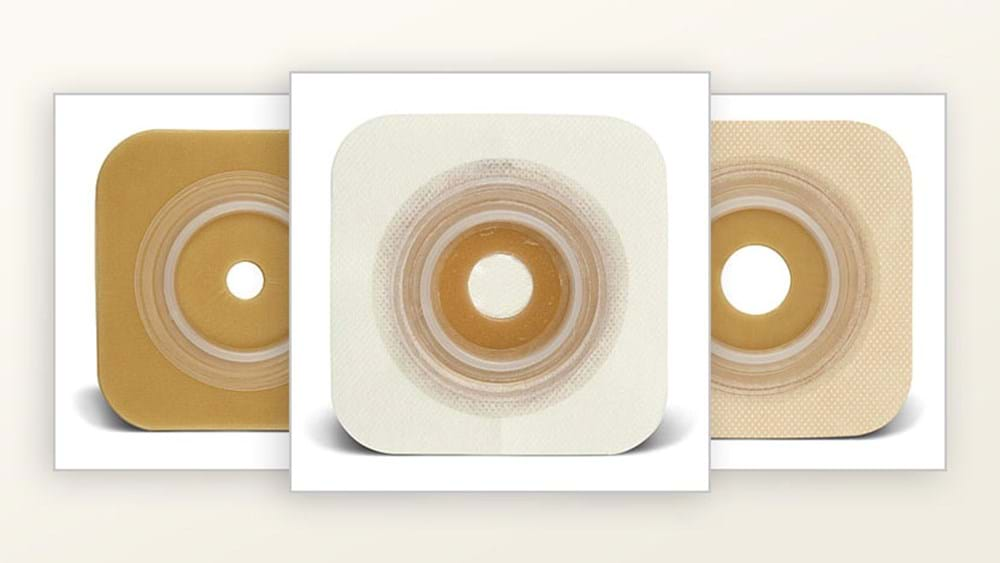
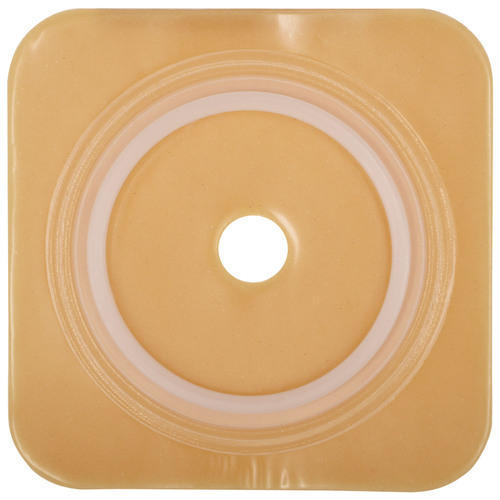
The answer to this question can be very simple, or it can be very complicated. An ostomy system consists of a wafer and an ostomy pouch. The wafer is attached directly to your skin, and the pouch attaches to the wafer.

You will need to change the ostomy system when it is soiled with stool or liquid waste, depending on what type of ostomy you have. If you choose to wear an ostomy pouch that adheres directly to your skin, then you also need to use an adhesive called a wafer, which attaches the pouch to your skin. If you wear an ostomy pouch that does not adhere directly to your skin, then you will need to use a wafer in addition to the pouch itself.

An ostomy system can be as simple or complex as the wearer wants it to be. Some choose to use only one kind of pouch, and they will only use one system that includes the wafer and the ostomy pouch all in one. Others choose to use different types of pouches with each system and kind of wafer, depending on what type of ostomy they have and their intended activity level for that day. Some ostomates even prefer to wear more than one ostomy pouch at a time. In this case, they will wear two or three different types of pouches, depending on what type of activity they are doing and the output that is expected from their stoma.

It can be confusing when learning about ostomy systems because there are so many options to choose from, and each option is suited for a different situation. It can help to think of ostomy pouches similarly to diapers. Diapers are available in many shapes, sizes, materials, brands, etc., so you have to consider these factors before choosing which ones you want. You may or may not use all of them at the same time, but it’s good to have a variety. Similarly, ostomy pouches are available in different sizes and shape the most common type is a sandwich bag, and they’re attached with wafers or other adhesives that may or may not be waterproof. Most pouches can be reused, and some even come with odor-absorbing filters to help reduce the smell of liquid waste. 

You need to choose one that is comfortable for you, and also make sure it’s able to do its job properly. Some common factors include the material the pouch is made out of, how much support it needs (if any), whether or not it’s reusable or disposable, and what type of wafer or adhesive is needed. You may need to experiment with different options before you determine which works best for you, but once you’ve found the right one, it can be great.

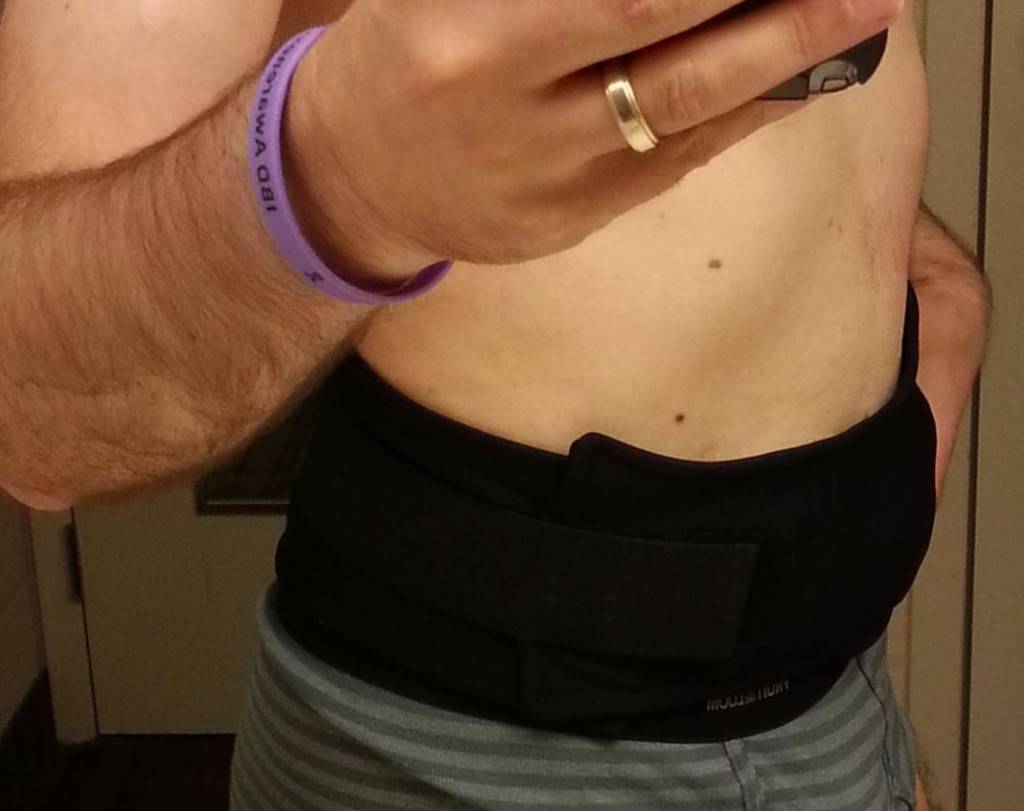
An ostomy system can also include other accessories that are often needed by an ostomate. Some ostomates need a small pouch to carry around extra supplies, such as an ostomy bag for between changes. Some might prefer a belt that is designed to hold their pouch in place while they are active or going about their day. You can also get odor-absorbing wipes and ostomy paste to help seal a pouch that doesn’t have an adhesive on it. 

What You Should Know About Ileostomies

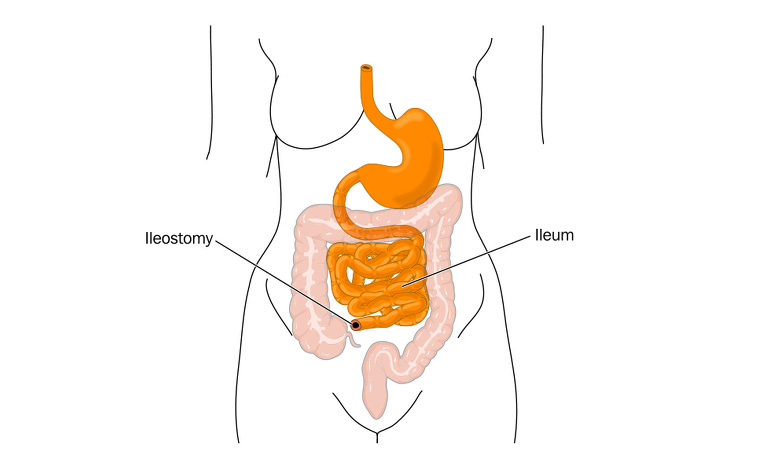
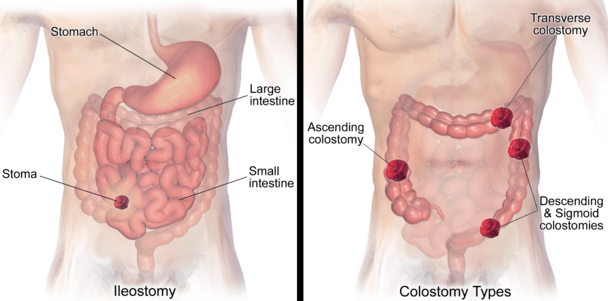
If you have a problem with your large intestine that cannot be addressed with medicines, you may require an ileostomy. Inflammatory bowel illness is one of the most prevalent causes of an ileostomy (IBD). Crohn’s disease and ulcerative colitis are the two forms of inflammatory bowel disease.

If your bowels do not cooperate, you may have been diagnosed with a severe functional disorder called Irritable Bowel Syndrome (IBS). IBS can be very uncomfortable and painful for most people. As soon as it becomes too painful, it is recommended that you seek immediate treatment from a good doctor. But what is an ileostomy? A small pouch is created by placing the pelvic organ next to the anal opening or the medical procedure that makes this opening smaller.

The colon is linked to the smaller intestines after the surgeon creates a tiny pouch. The ileostomy slices the large intestine, preventing it from blocking the small intestine as it passes through. If an ileostomy is established following surgery, sutures are used to widen the anus. Furthermore, the colon and large intestine are sewn together. This is how a person with a large bowel may eat meals without difficulty. You will be unable to regulate your bowel movement due to the ileostomy’s lack of sphincter muscles (when stool comes out). To collect the feces, you will need to wear a pouch. The feces that emerges from the stoma has a watery to a pasty consistency.

Unlike a colostomy which is used to create a long-lasting artificial opening for the large intestine, an ileostomy is used to create a short-term opening for the large intestine. An abdominoplasty is a term given to surgeries involving the large intestine and the colon. Usually, a patient is advised to go home the same day as the surgery, and there is also a recovery period. During the recovery period, the abdominal wall will heal and the stitches will be removed.

However, many people may need more than one ileostomy or a revision procedure. These procedures have many benefits, especially for patients with severe symptoms of Crohn’s disease. Patients suffering from this condition may need an operation to remove the scar tissue that results from inflammation and other complications associated with Crohn’s. The surgery for the ileum may also be necessary if a person suffers from symptoms such as fistulas, which are tubes that connect the intestines to the anal canal.

An ileostomy can either be limited to just the rectum or include the whole colon. Some doctors perform both procedures for their patients. One of the advantages of putting a person under a general anesthetic while performing surgery is that it reduces the amount of pressure needed on the rectum and thus the risk of bleeding during the procedure. This helps make an ileostomy less risky. However, because there is no longer a hole in the anus, there is also less chance of contamination. Sometimes it’s difficult to find a good surgeon for an ileostomy since there is very little room for the surgeon to perform surgery, so it’s recommended that you look into local anesthesia as an option when going under a general anesthetic.

Do Men Experience Impotency After an Ostomy 

One of the biggest concerns those that have IBD deal with after abdominal surgery is how it’ll impact their potency.  Women are concerned with conception and birthing, and what scarring may impact the organs. Men are concerned more about the chances for impotence, and erectile dysfunction or even being able to sire children. 

Abdominal surgery for this condition has change da lot, with the biggest risk for men usually happening after they get a colostomy as well, especially to help treat rectal cancers. 

Men who have ostomies to treat other conditions have a lower chance of experiencing it. While not totally researched, it is a concern for most people, and while the topic may be embarrassing, it’s good to talk to the doctor about this, especially if there is a chance that you may have erectile dysfunction as well. 

When it Might Occur 

While the risk is small, it’s still a risk. It’s about 2-4% likely in most cases. 

There may be temporary impotence, with the reasons not making sense initially, but if you get a good prognosis beforehand, you can make sure to improve these chances. 

This can cause some major bodily issues, and difficulty after surgery. 

This does take time, and this may cause delays as well if you want to return to who you were before ethe surgery. 

There are treatments for temporary importance, such as counseling, medication, and penile implants, but the treatment ultimately depends on what men need. 

This varies from man to man, but it’s not something to sweep under the rug either, since if it ends up being serious, it can prove to be a problem for many men in a lot of cases, especially with their body image and other issues. 

So what can you do? 

Talk to your Doctor 

It’s embarrassing to talk about this sort of thing with a healthcare provider, but if you learn to start talking to them, this can help you feel better. 

Remember they’re a doctor, it’s not like they haven’t heard this before, and they may not even ask about this after ostomy surgery either, but it’s better to discuss this before you go under the knife. 

What can you do to prompt the questions though? 

A good way to do this is to write down in an email, or a text message all of the questions that you have regarding this, and then get them answered. 

Having your partner come with you as well is good as well, since they can help you get the questions answered, helps with remembering everything after the fact, and it also can help you tackle this together. 

But some men may get embarrassed by that, since a solo visit may offer better conversation about this sensitive topic.

Another way to make sure you’re not getting burned on the healthcare you need too as well is to ask for referrals. 

Ask for someone who specializes in treating erectile dysfunction, risks for impotency, or sexual problems. 

Remember as well that these people have gone through years of training, and if you are worried that you might be judged, remember these people deal with this a lot, so you’re not the only one who is suffering from these questions. 

No matter the case though, know that this can be hard to talk about. 

But the sooner the problem gets brought up and shed to light, the easier that it is, and the better it can help you with not only getting the treatment that you need, but also improve your personal enjoyment of sex as well, both now, and down the road too after the surgery occurs.